IGNITED LEADERSHIP: WHO'S AFRAID OF AN ANGRY WOMAN? What Stephen King's Carrie taught me about rage, power, and the price of silence.
Nov 01, 2026
I WAS A GOOD GIRL. A DAMN GOOD GIRL.
Growing up, books were my friends. My escape from the noise and chaos of my real life.
Disney princesses taught me to be beautiful, kind, patient, and good. Do all that, and a devastatingly handsome prince would rescue me.
Little House on the Prairie taught me the importance of family, hard work, and belonging.
Island of the Blue Dolphins and Are You There God? It's Me, Margaret introduced me to girls trying to find their way in the world. Karana survived alone on an island. Margaret navigated the emotional wilderness of growing up.
Different girls. Same question: How do I find my way when I feel so alone?
And everywhere else—at home, at school, on television, in magazines—the message was the same.
Good girls are nice. Good girls follow rules. Good girls don't make trouble.

Message received.
I became a model student. Got good grades. Followed rules.
No. I perfected rules.
I people-pleased the hell out of people-pleasing.
I watched over my mother, brother, and sister. I smiled. I laughed.
I didn't complain.
I didn't get angry.
I was a good girl. A damn good girl.
No one noticed the anger. Least of all me.
THE GIRL AGAINST THE WALL
When I was twelve, we moved from Pacific Beach to Alpine, a small town of about 3,000 people.
I started seventh grade in the middle of the school year.
For the next five months, I spent nearly every recess and lunch alone, leaning against a wall while everyone else laughed, played basketball, and walked around in pairs.
Girls mocked my hair and clothes. When boys started paying attention to me, things got worse.
I was stuck up, they said.
If only they knew what I said to myself. See, you're unlovable. You don't belong.
A group of girls threatened to kick my ass. The threats followed me into high school.
I never understood what I'd done to make them hate me.

Every afternoon, I rode the bus home, did my homework, ate dinner with my family, and pretended everything was fine.
Then I'd escape upstairs, curl up on my bed with my cat, Norman, and read.
Little Women. A Wrinkle in Time. Nancy Drew. Julie of the Wolves.
These girls and women were curious, courageous, independent. They questioned expectations. They made decisions. They shaped their own futures.
Like the girls I read about, I wanted to be the leader of my life.
But I was learning that being accepted meant becoming smaller, quieter, more agreeable.
Until I met Carrie.
AND THEN THERE WAS CARRIE.
Stephen King's Carrie wasn't another story about a good girl waiting to be rescued.
Carrie White was sixteen. Bullied by classmates. Abused by her mother. Humiliated by the very people who should have cared.
I knew that girl.
I knew what it felt like to be excluded, ashamed, afraid, and desperately hungry to belong.
I knew what it felt like to feel like there wasn't anyone protecting me.
My father's drinking and his near-fatal motorcycle accident left me scared. The old man down the street used treats and attention to gain our trust. And there were years of stomachaches, migraines, and a gut twisted so tightly I sometimes felt I couldn't breathe.
I didn't have the words for everything I was experiencing.
I was afraid. I was ashamed. I was lonely.
And underneath it all, I was fucking furious.
But good girls weren't allowed to be furious.
So, I swallowed it.
Again. And again. And again.
Until I read Carrie.
SHE BURNED IT ALL DOWN.

At the prom, Carrie is subjected to the final, devastating humiliation. And she snaps. Using her telekinetic powers, she traps her classmates in the gym and unleashes a deadly inferno. Later, she kills her mother.
Did I want to kill the people who had hurt me?
No.
Did I understand the fantasy of finally having power after years of feeling powerless?
Oh, hell yes.
Carrie's violence was horrific. But her rage was recognizable.
She couldn't make people see or feel her pain.
So, she burned everything down.
And somewhere inside that lonely twelve-year-old girl leaning against the playground wall, something stirred.
Maybe what happened to me wasn't okay.
Maybe I had a right to be angry.
Maybe I wasn't the problem.
THE DOUBLE STANDARD: MEN GET ANGRY. WOMEN GET LABELED.
Here's the kicker.
Girls and women aren't simply discouraged from expressing anger. We're often punished for it.
A man gets angry, and he is usually seen as strong, authoritative, passionate.
A woman gets angry?
She's emotional. Difficult. Hysterical. Unhinged.
We feel anger.
We just learn not to show it.
And the cost?
We apologize when we're furious. We smile when we're insulted. We say "It's fine" when it's anything but fine.
We keep the peace.
Even when it means abandoning ourselves.
We've been taught to be more afraid of our anger than of the things that made us angry.
YOUR BODY HAS BEEN KEEPING SCORE.
For years, I thought my stomachaches, migraines, and constant vigilance were simply part of who I was.
Now I wonder how much of my physical distress was connected to living in fear, swallowing my feelings, and never feeling safe enough to tell the truth.
We know that chronic stress can affect the body, including sleep, digestion, muscle tension, and headaches.
But here's what I want women to understand.
Your anger isn't a character flaw. It's an emotion worth listening to.
Anger can tell us a boundary has been crossed.
That something is unjust.
That we've been mistreated.
That our needs matter.
That enough is enough.
And sometimes, before we can even name our anger, our bodies tell us something isn't right.
WOMEN HAVE BEEN BURNING DOWN THE RULES FOR GENERATIONS.

Not with matches.
With courage.
With collective action.
With a refusal to keep participating in systems that diminish them.
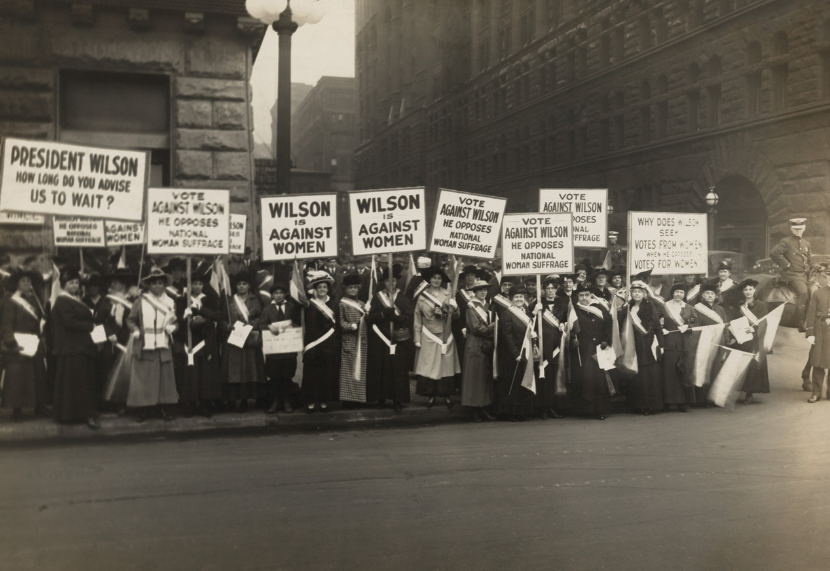
In 1975, women across Iceland walked away from their paid jobs and unpaid domestic labor to protest inequality. They showed their country what happened when women's work stopped.
The Mothers of the Plaza de Mayo in Argentina refused to stay silent when their children disappeared under a military dictatorship. They turned grief and outrage into decades of public resistance.
And then there's Alanis Morissette.
When Jagged Little Pill exploded into our lives in 1995, she gave women something we rarely heard celebrated.
Female anger.
Messy. Raw. Unapologetic.
Not sweet. Not pretty. Not polite.
And not waiting for a prince.
These women didn't all express anger in the same way. But they shared something powerful.
They refused to accept that silence was their only option.
SO, WHAT DO WE DO WITH ALL THIS RAGE?
Here's where Ignited Leadership comes in.
We don't have to become Carrie.
We don't have to hurt anyone.
And we don't have to pretend we're not angry.
We can become curious about our anger.
We can ask what it's telling us about our lives, our relationships, and the stories we've been taught about being good women.
We can write about it. Talk about it. Move it through our bodies in ways that feel safe.
We can turn anger into boundaries.
Silence into stories.
Isolation into sisterhood.
And outrage into meaningful action.
Ignited Leadership isn't about never getting angry. It's about refusing to abandon ourselves to keep everyone else comfortable.
AN IGNITED MOMENT: GIVE YOUR ANGER A VOICE.
Find a quiet place. Put your feet on the floor. Take a breath.
Finish these three sentences in your journal:
- I'm angry that...
- I was taught I couldn't say...
- What I needed then—and what I need now—is...
Don't edit. Don't apologize. Don't make your anger more palatable.
And if you don't feel angry or you're not ready to write about something painful, start small. Write about the last time you said yes when you wanted to say no.
Then ask yourself:
What is one tiny thing I can do today to honor what my anger is telling me?
Maybe it's saying no.
Maybe it's asking for help.
Maybe it's telling someone the truth.
Maybe it's simply admitting, for the first time, I'm angry. And I have a right to be.
LET'S MAKE OUR OWN RULES. TOGETHER.
I started LOUDER GIRL because I was tired of the rules that told women to be quiet, grateful, agreeable, and small.
And I created Ignited Leadership because I believe women deserve to lead their own lives—not the lives we've been told to live.
Anger doesn't have to destroy us. It can awaken us.
FIND YOUR PEOPLE. BE YOURSELF. GET LOUDER.
Tired of feeling alone? Like an outcast? Messy?
We understand. We live in a world where we are told stories that isolate us, make us feel "othered," and not good enough.
LOUDER GIRL is a community where we share our stories, laugh, connect, challenge the rules, and practice becoming the leaders of our own lives.
No perfection required. No pretending. No fixing yourself.
Just you. As you are. That's enough.
COME ON IN. YOUR PEOPLE ARE HERE.
YES! I'M A LOUDER GIRL — JOIN THE COMMUNITY
BELONG. GET LOUD. CHANGE THE WORLD.
GOOD GIRLS FOLLOW RULES.
IGNITED WOMEN REWRITE THEM.
When you join, you’ll receive weekly inspiration, provocative stories, writing prompts, connection, and opportunities to gather.
YOUR INFO IS YOURS. PERIOD. We respect your privacy. We'll never sell or share your information for marketing. No spam. No bullshit. Just LOUDER GIRL love.