IGNITED LEADERSHIP: CHANGE THE STORY. CHANGE WHAT’S POSSIBLE. Storytelling Is a Leadership Tool
Sep 15, 2026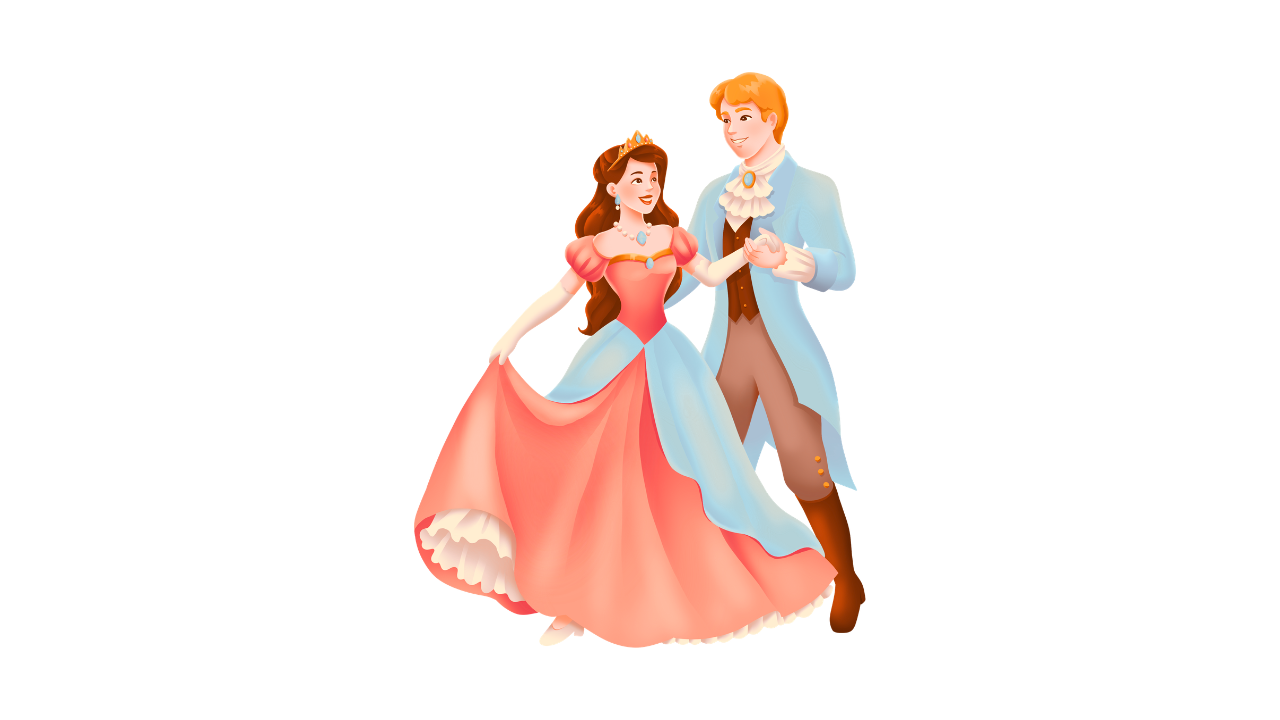
I thought I was escaping into stories.
I wasn't.
I was learning how to be a woman.
As a girl, I devoured stories. They took me somewhere beyond my own life to places where people belonged to each other, true love existed, girls had adventures, and happy endings were possible.
But those stories were doing something else, too.
They were giving me instructions.
Cinderella taught me that beautiful, selfless girls get chosen.
Ma Ingalls showed me a family is bound by work, faith, and survival.
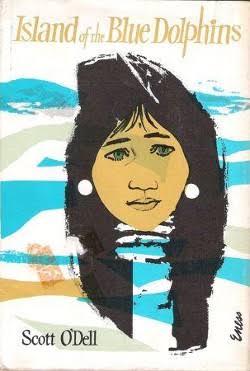
Karana in Island of the Blue Dolphins taught me a girl could save herself.
Margaret whispered that I wasn't the only one confused by my changing body, God, friendship, and belonging.
Carrie gave shape to a female rage I didn't yet know how to name.
And those romance novels? Let's just say they taught me some complicated—and sometimes dangerous—lessons about sex, power, control, and love.
I thought I was choosing the stories.
I didn't understand that the stories were also choosing me.
They were becoming part of the narrative I was constructing about who I was, what love looked like, what women should tolerate, and what kind of woman I was allowed to become.
THE MOST POWERFUL STORIES DON'T SOUND LIKE STORIES
As children, we don't recognize these messages as cultural narratives.
We call them truth.

Men are natural leaders.
Women are natural caregivers.
Good girls don't get angry.
Power belongs at the top.
Success means climbing the ladder.
Leadership means control, decisiveness, and certainty.
Those aren't facts. They are stories.
Stories repeated so often that we stop asking who wrote them, whom they serve, and whether they're true.
That's why storytelling isn't just entertainment.
Storytelling is about power.
Stories tell us who matters.
Who belongs.
Who gets believed.
Who gets to lead.
And who doesn't.
But here's the beautiful part:
If stories can shape us, stories can also free us.
When we question the stories we've inherited, we can change what we believe about ourselves.
And when enough of us tell the truth about our own lives, we can begin to change the larger stories about women, leadership, power, and possibility.
That's why Storytelling Is a Leadership Tool is the first pillar of Ignited Leadership.
DOLLY UNDERSTOOD THE ASSIGNMENT

Dolly Parton didn't tell stories just to entertain us.
She used stories to reclaim shame, honor people the culture overlooked, create connections, and inspire action.
1. She Turned Shame into Dignity
In Coat of Many Colors, Dolly told the story of growing up poor and wearing a coat her mother made from scraps.
Other children ridiculed her.
She could have buried that story.
Instead, she reclaimed it.
The coat wasn't evidence that she was poor or less than.
It was evidence that she was loved.
She changed the meaning of the story.
That's what happens when we reclaim our stories.
I'm poor. I'm less than. I'm not enough.
can become:
I was loved. I survived. I belong. My experience matters.
2. She Told Stories About People Who Mattered
Dolly wrote about poor Appalachian families, mothers, working people, women's choices, ambition, sexuality, heartbreak, judgment, and survival.
She didn't sanitize where she came from.
Her stories said:
These lives matter. These people matter. This place matters. Our experiences deserve to be heard.
That's leadership.
3. She Brought Her Whole Story with Her
Dolly could have become famous and distanced herself from the poor Appalachian girl she'd been.
She didn't.
She brought that girl with her.
Her leadership wasn't:
Look how far I've gotten away from who I was.
It was:
This is who I was.
This is who I am.
All of it belongs.
That’s Ignited Leadership.
4. She Made the Personal Universal
Dolly's stories were incredibly specific.
A homemade coat.
A mountain home.
Her mama.
Her daddy.
Jolene.
Leaving Porter Wagoner.
Yet somehow, those specific stories became ours.
Because maybe we didn't grow up in a one-bedroom house in the Smoky Mountains.
But we know shame.
We know wanting to belong.
Being judged.
Loving someone.
Outgrowing someone.
Wanting more.
Having to leave.
That's the magic of story:
"This happened to me" becomes "Maybe you've felt this, too."
That's where empathy begins.
And empathy creates connection.
5. Then She Turned Story into Action
Dolly's father never learned to read or write. She has said that although he was one of the smartest people she knew, his inability to read limited what was possible for him.
Dolly didn't leave that family story in the past.
She did something with it.
In 1995, she created the Imagination Library in honor of her father, giving books to children in her home county.
It eventually grew far beyond those Tennessee mountains.
And that, LOUDER GIRLs, is Ignited Leadership.
EXPERIENCE → STORY → MEANING → CONNECTION → ACTION → CHANGE
Something happens to us.
We tell the truth about it.
We question the meaning we've been taught to attach to it.
Someone hears our story and thinks:
Me too.
And suddenly, we are not alone.
Sometimes that connection changes what we do next.
Sometimes it changes what someone else does next.
Sometimes it changes the world.
YOU DON’T HAVE TO DO THIS ALONE.
Join LOUDER GIRL for stories, connection, and courage to live life on your terms.
We hate SPAM. We will never sell your information, for any reason.